From a Growth Market to a Global Capability Hub: China's Evolving Role in Beauty
Time: February 28, 2026 By WWD
Published by February 27, 2026 by WWD
As a China Partner “CP,” S'Young International is helping beauty brands achieve long-term growth and development.
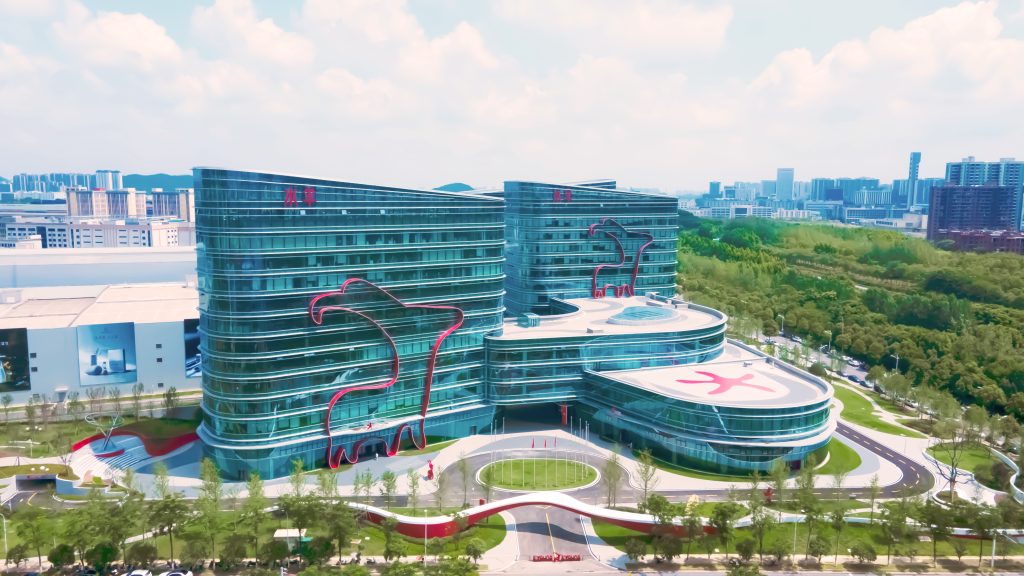
China's beauty market is going through another period of change — beyond being the world's largest beauty market, it's one of the most demanding.
According to McKinsey, while the Chinese beauty market grew by 3 percent in 2023, the category is projected to maintain 6 percent compound annual growth rate from 2024 until 2028.
A 2025 McKinsey survey expects a lower volume growth due to inflation and cautious consumer spending, but 75 percent of beauty executives said they're doubling down on sales growth.
Downward Pricing Pressures
The growth of the market is slowing down as consumer acquisition costs are rising and brand lifecycles are extending. Over the last year, the downward pricing pressure in China reflects not just a price war but a fundamental shift in how consumers are looking for value.Brands that respond to uncertainty through promotions potentially risk accelerating the erosion of their long-term brand equity — and failing to answer how a brand justifies its price over time.
Inside Today's China Market
International brands are looking to a traditional operating model centered around offline retail and single channel. But this is misaligned with a market that is highly digitized, driven by real-time feedback. It's shaped by the convergence of content, ecommerce and data.
Price Acceptance and Repeat Purchase
For Chinese consumers, brand awareness, mental availability, long-term reputation and trust capital continue to determine price acceptance and repeat purchases. More than ever, domestic brands are winning the Chinese consumers with local insights.
Looking Ahead
Brand leaders in Europe and North America see the Chinese market as volatile and opaque. This is less due to a lack of structure and more the structure not being visible to outsiders. China has evolved from being merely a growth market to a global growth capability engine. Looking ahead into 2030, China is shifting from a price-performance-driven market to one that values brand strength, systemic capabilities and long-term trust. Thus, reshaping the rules of growth by systematically testing a brand's ability to integrate product, content, pricing, channels and operations.
S'Young International Helps Beauty Brands Navigate This Fundamental Shift in the Chinese Market.
Marshall Chen, cofounder and chief executive officer of S'Young International, gives insights into what sets them apart as China Partner and how international brands can win in the Chinese beauty market with long-term strategies.
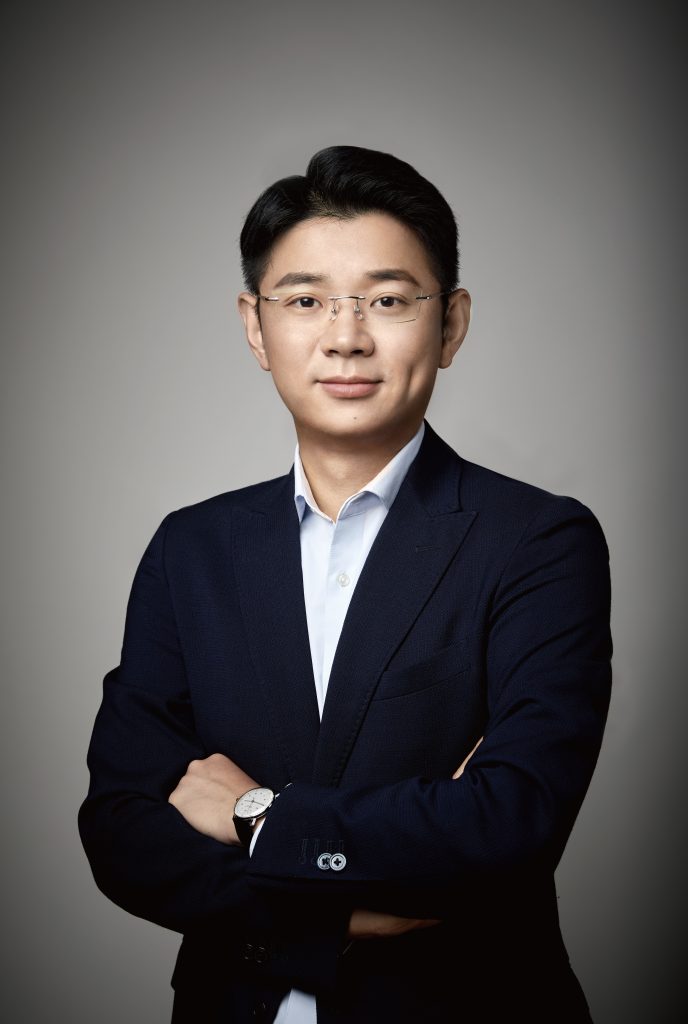
Fairchild Studio: What should international brands do to ensure they capture future growth?
Marshall Chen: Many international brands struggle in China due to reliance on outdated, single-channel or offline-centric operating models. However, success demands multi-faceted strategies and capabilities, not just products, in this complex market.
Drawing on over 20 years of brand management experience, S'Young International has developed a replicable methodology — “Five Fingers Branding Pattern” —covering five interconnected dimensions: brand, product, marketing, channel and operation. At its core, the framework is not about teaching brands to sell at lower prices, but about making them “more worth buying.”
We drive growth by clearly defining brand assets, anchoring perception with a hero product and integrating storytelling, performance marketing and channel operations into a systematic, sustainable growth ecosystem. Price wars exist only in single-capability competition; by building a multi-dimensional moat through the “Five Fingers Branding Pattern,” brands can shift the focus of competition from price to trust, cognition and system-driven growth.
Fairchild Studio: Why is the single hero product model no longer sustainable strategy? How should brands adapt?
M.C.: The era of the single hero product has not truly disappeared. What has fundamentally changed is that building a hero product capable of enduring market cycles has become more difficult than ever.
Today's sustainable hero products are rarely accidental — they result from coordinated system capabilities, including clear brand positioning, strong product fundamentals, consistent content, replicable channels, disciplined pricing and long-term consumer trust. Kiko Milano's powder franchise, developed through more than eight years of partnership with S'Young International, exemplifies this approach.
Rather than stopping at a single hit, the brand managed the product as a long-term asset across its full lifecycle. Kiko Milano entered the market with a clear “touch-up and sun-protection” proposition to establish core awareness; expanding usage through consumer research into a portable, multi-functional base makeup solution; and ultimately building a full powder family tailored to different skin types, scenarios and price points to meet evolving local demand.
By upgrading a single hero into a systemized “powder solution” and reinforcing category strength through family-based content and communication, Kiko Milano successfully transformed short-term product success into durable brand equity — cementing a stable category association of “affordable luxury Kiko Milano powder,” with its hero skus now consistently ranking among the top three on Tmall. This case underscores a broader market reality that the most successful brands are not those with the most hits, but those that know how to make a hit last.
Fairchild Studio: How does S'Young's role as a long-standing China Partner (CP) differ from a traditional distribution or agency relationship?
M.C.: When we define S'Young International as a “China Partner,” we emphasize long-term thinking rather than short-term, sales-driven distribution. We view a brand's growth in China as a systemic effort — from positioning and product strategy to pricing, channels, consumer engagement and organizational capability. By sharing long-term rewards, co-managing risks and investing throughout the brand lifecycle, we help brands use China as a capability lab for global growth.
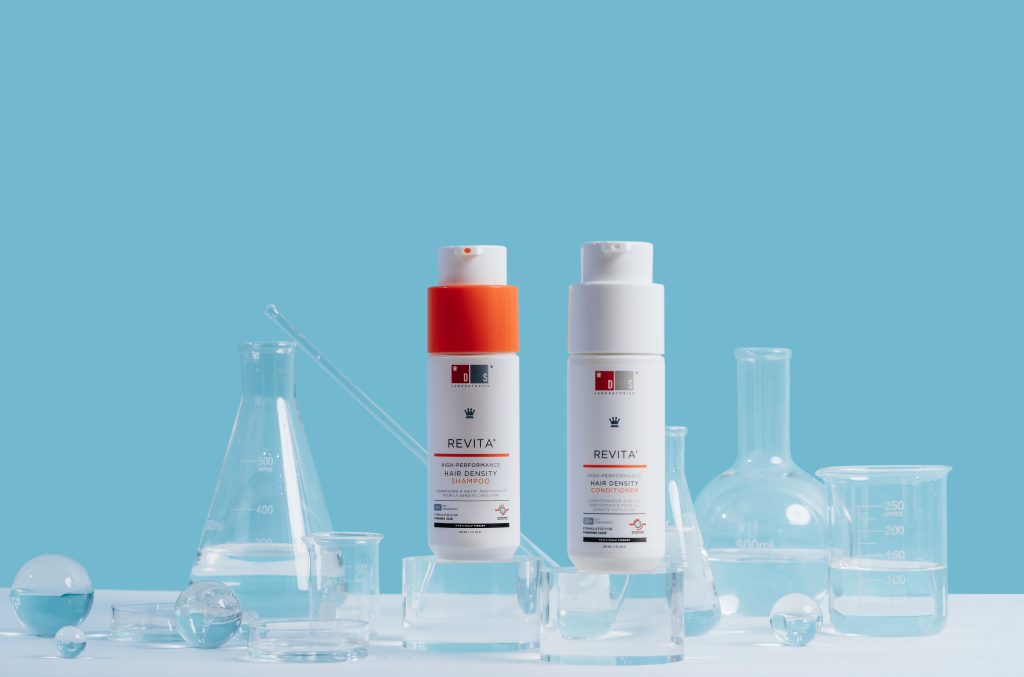
We have established long-term collaboration with DS Laboratories, a leading dermatological brand known for its science-backed skin and hair care products and built on a strong foundation of research and product logic. Through deepened alignment across content strategy, channel mechanics and consumer engagement, the brand has delivered standout performance on Douyin, China's version of TikTok. The operating and content models validated and refined in China have been embraced by the brand and are gradually being implemented in other markets as its global presence expands. Today, DS Labs holds the second position in the TikTok haircare category.
However, the CP model is not suitable for every brand. It is efficient for partners who are prioritize long-term investment and strategic consistency over short-term sales and who value shared responsibility, collaborative decision-making and sustainable investment.
Fairchild Studio: With a more cautious consumer, overseas brands encounter a growth ceiling after initial market entry. How does S'Young break growth ceilings and sustain share?
M.C.: International brands often face growth ceilings in China as early product or channel-driven strategies plateau in a cautious market.
As a long-term China partner, S'Young International moves partners from market entry to sustainable growth systems. We recalibrate product, channel and content strategies and invest with discipline to safeguard long-term brand equity and turn complexity into clarity to ensure enduring growth in China.
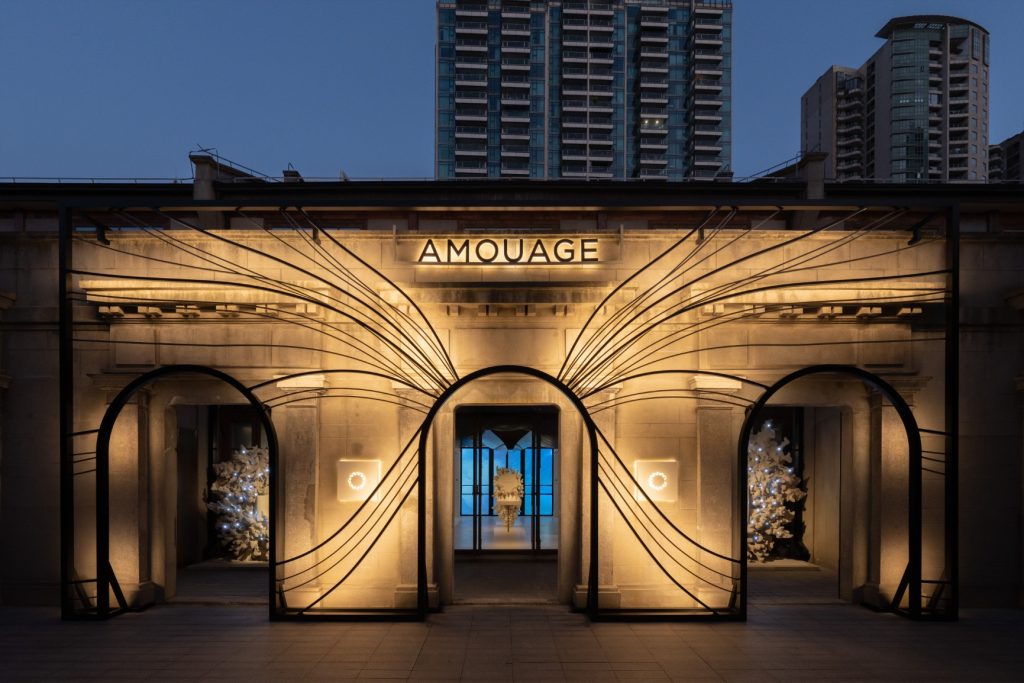
One example of re-identification against uncertainty is Amouage, the independent Omani high perfumery house, which saw declining post-pandemic foot traffic in traditional high-end malls. Rather than expanding store networks or relying on conventional malls, we re-evaluated core customers and offline touchpoints, ultimately opening the brand's Asia-Pacific flagship in Shanghai's historic and high-end tourism hub, Zhangyuan, in 2023.
The store immerses visitors in an underwater narrative, combining immersive design, artistic fragrance displays and multifunctional spaces to reinforce luxury positioning, while membership programs and localized operations enhance experience and dwell time, converting it into long-term brand equity. Today, the Zhangyuan store stands as Amouage's key cultural landmark in Shanghai and a benchmark in China's niche luxury salon fragrance market.
Fairchild Studio: What would you tell an international brand leader who is hesitant about the China market right now?
M.C.: China is no longer a market suited to chasing short-term opportunities, yet it remains one of the most important long-term markets for global brands. The real question today is not whether to enter China, but whether a brand is prepared to invest patiently, with a clear strategy and a long-term mindset.
In a market as digitalized and transparent as China, short-term growth tactics are either achieved at the expense of brand equity or quickly copied — and often overtaken — within three to six months. This is precisely why brand differentiation and sustainability matter more than ever, with trust and strategic positioning standing out as truly defensible assets.